“Every perfect family photo hides a story the camera never saw.”
Married Life and How It Breaks:
What married life is built on
Marriage is a relationship that exists in everyday life, rather than just on your wedding day. This relationship usually depends on the following factors:Trust: being truthful to one another. Communication: communicating freely without judging. Respect: respecting one another’s point of view and personal space. Emotional Support: supporting one another in all circumstances. Responsibility: joint financial, domestic, parental and decision-making responsibilities. Intimacy and affection: spending quality time together, rather than only physical intimacy.
The usual stages of married life
Honeymoon stage: excitement and adjustment to one another, everything is novel. Settling down: routines develop, and differences in lifestyles emerge. Responsibility stage: children, employment, financial strain, and involvement of the extended family. Test stage: stress, exhaustion, and unfinished business become apparent. Intimacy or distance: couples either come closer through resolving issues, or grow distant.
Warning signs before the break
Conversations become short, cold, or only about daily tasks.
Arguments repeat with no solution.
One or both partners stop sharing feelings.
Avoiding being home or being alone together.
Constant comparison with other couples.
Sleeping separately or emotional distance, even in the same house.
Saying “I don’t care anymore.”
What occurs during a breakup or separation Emotional: shock, anger, guilt, sadness, and fear of the future. Social: family pressures, gossip, and a sense of judgment. Financial: division of property, costs of living, and even legal fees. Practical: moving and restructuring one’s life, and making decisions about one’s children. Legal: In most countries, this entails going through the process of separation or divorce, which varies according to country and religious beliefs.
Effect on the person who feels broken
Sadness, loneliness, and loss of identity as a spouse Feeling of self-blame and difficulty trusting others Disturbed sleep and appetite, fatigue, and anxiety Fear of judgment from society and family
Effect on the person who moves on
Guilt or relief, or even both at the same time Faster recovery of routine, but they may have pain underneath Quick recovery does not necessarily mean complete healing
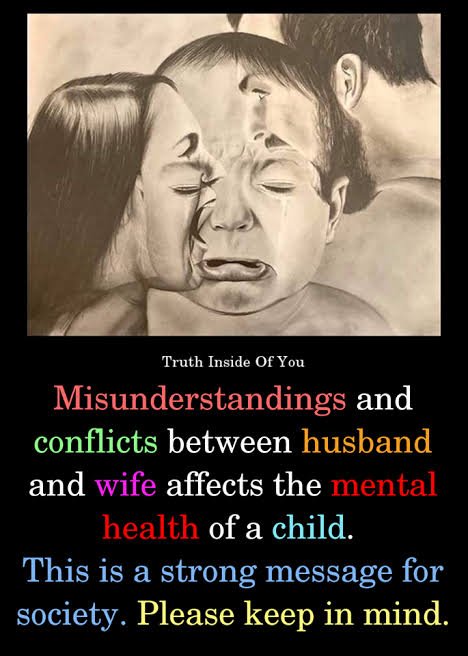
Effect on children
Confusion, feeling sad, and even blaming themselves Being scared of changing family dynamics and being insecure Change in behavior or schoolwork What they need to know: “This is not your fault, and we both love you.” Having stable routines, talking calmly, and not arguing in front of them can do wonders.
How to try to save a marriage
Talk freely, calmly and in good timing, but not during an argument. Listen with empathy rather than trying to argue. Find help from a marriage counselor or trusted elder who is objective toward both. Regain trust with deeds rather than words alone. Have consistent quality time together. Put limits on the extended family. Admit mistakes and take responsibility for them. If ending the marriage seems like the healthy option
When separation may be the healthier choice
In case of abuse, betrayal without remorse or any other situation that puts mental or physical safety in danger, separating from one’s spouse might be the safer decision. If the individual feels endangered, he or she needs to inform those who can assist in this matter.
How to heal after a marriage ends
Allow oneself to grieve without hurrying. Stick to a healthy schedule for sleeping, eating and exercising. Count on family, friends and a counselor. Avoid monitoring the life of the former spouse. Work on feeling better about oneself through activities. Consider the needs of the children, if they are present. Wait before entering another relationship.