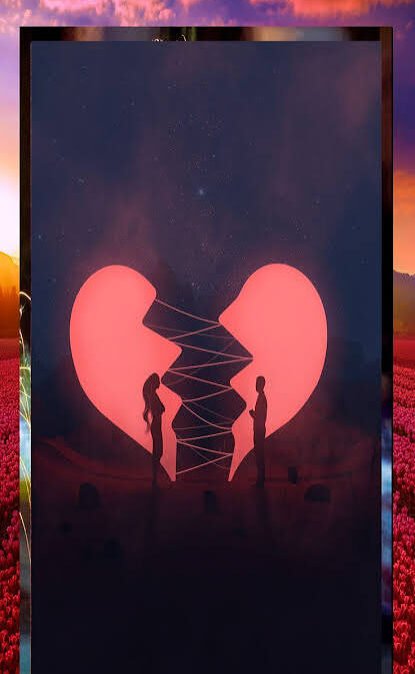
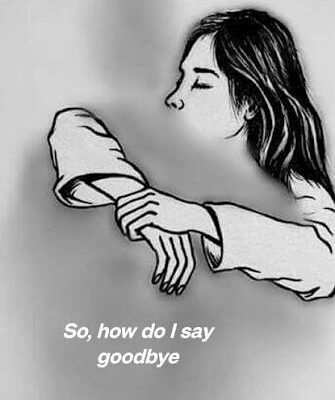
“Everyone you love teaches you something, and the ones who leave teach you the most.”
What is a broken heart?
A broken heart is the deep emotional pain you feel after losing someone or something you were attached to. It can come from a breakup, betrayal, divorce, family conflict, a friend leaving, or a loss like death. It is not weakness. It is a real emotional response to loss.
Main causes
Relationship breakup: one or both people end the relationship.
Betrayal: cheating, lies, or broken trust.
One-sided love: loving someone who doesn’t love you back.
Family pain: conflict, neglect, or feeling unloved by parents or siblings.
Friendship loss: a close friend drifts away or turns against you.
Death or permanent separation: losing someone forever.
Slow emotional distance: the person is still there, but the love or attention is gone.
At vero eos et accusamus et iusto odio dignissimos ducimus qui blanditiis praesentium voluptat um deleniti atque corrupti quos dolores et quas molestias excepturi sint occaecati cupiditate non provident, similique sunt in culpa qui officia deserunt mollitia animi, id est laborum et dolorum fuga dolores et quas molestias.
Emotional symptoms
Deep sadness and crying spells
Loneliness, even around other people
Anger, guilt, or regret
Constantly replaying memories and “what if” thoughts
Low self-esteem, feeling not good enough
Difficulty trusting people again
Feeling numb or empty
Missing the person even when you know they hurt you
Physical symptoms
Chest tightness or heaviness
Trouble sleeping, or sleeping too much
Loss of appetite, or eating too much
Headaches, tiredness, and low energy
Trouble concentrating
Researchers have found that emotional pain from social loss activates some of the same brain areas as physical pain, which is why heartbreak feels so real in the body. A rare medical condition called “broken heart syndrome” (takotsubo cardiomyopathy) can follow extreme emotional stress and mimic a heart attack. If you ever have severe chest pain or trouble breathing, get medical help right away.
Common stages of heartbreak
Shock and denial: “This can’t be happening.”
Pain and anger: hurt turns into anger at them or yourself.
Bargaining: “If I change, maybe they’ll come back.”
Sadness: the heaviest stage, where the loss feels real.
Acceptance: the pain becomes lighter and you start rebuilding.
These stages are not a strict order. People move back and forth, and healing is not a straight line.
The difference between the two sides
The one who is broken: keeps feeling the loss, replays memories, and struggles to accept that it is over.
The one who moves on: may feel guilt first, then relief, and keeps busy with new routines and people. Moving on faster does not mean they loved less. People process loss at different speeds.
“I held my heart in my hands, and it was still bleeding.”
“She wore red, but the heartbreak was louder.”
“Some hearts crack quietly, and the pieces still glow.”
How long does it last?
There is no fixed time. For many people the sharpest pain eases after a few weeks to months, but deep or long relationships can take much longer. It usually gets lighter in waves, not all at once.
“Red dresses, perfect smiles, and a heartbreak nobody dared to speak of.”
“Some families look complete in photos and feel empty at home.”
“Love can sit in the same room and still feel miles away.”
Healthy ways to heal
Allow yourself to cry and feel, without judging it.
Talk to someone you trust, or write your feelings in a journal.
Reduce contact with the person for a while, including checking their social media.
Keep a simple routine: sleep, meals, a short walk.
Spend time with family and friends.
Try something new, like a hobby, course, or creative project.
Be patient with yourself, because healing takes time.
Things that make it worse
Staying in constant contact “just to see how they are”
Isolating yourself for too long
Blaming yourself for everything
Using unhealthy ways to cope to numb the pain
Rushing into a new relationship to fill the gap
When to get extra help
If the sadness stays very heavy for weeks, you cannot function in daily life, or you feel hopeless, please talk to a doctor or a counselor. If you ever feel unsafe with your thoughts, reach out to someone you trust or a local helpline right away. You do not have to carry it alone.
A broken heart is love that has nowhere left to go.”
“It hurts because it mattered.”
“Healing is not forgetting. It is learning to live with the memory.”